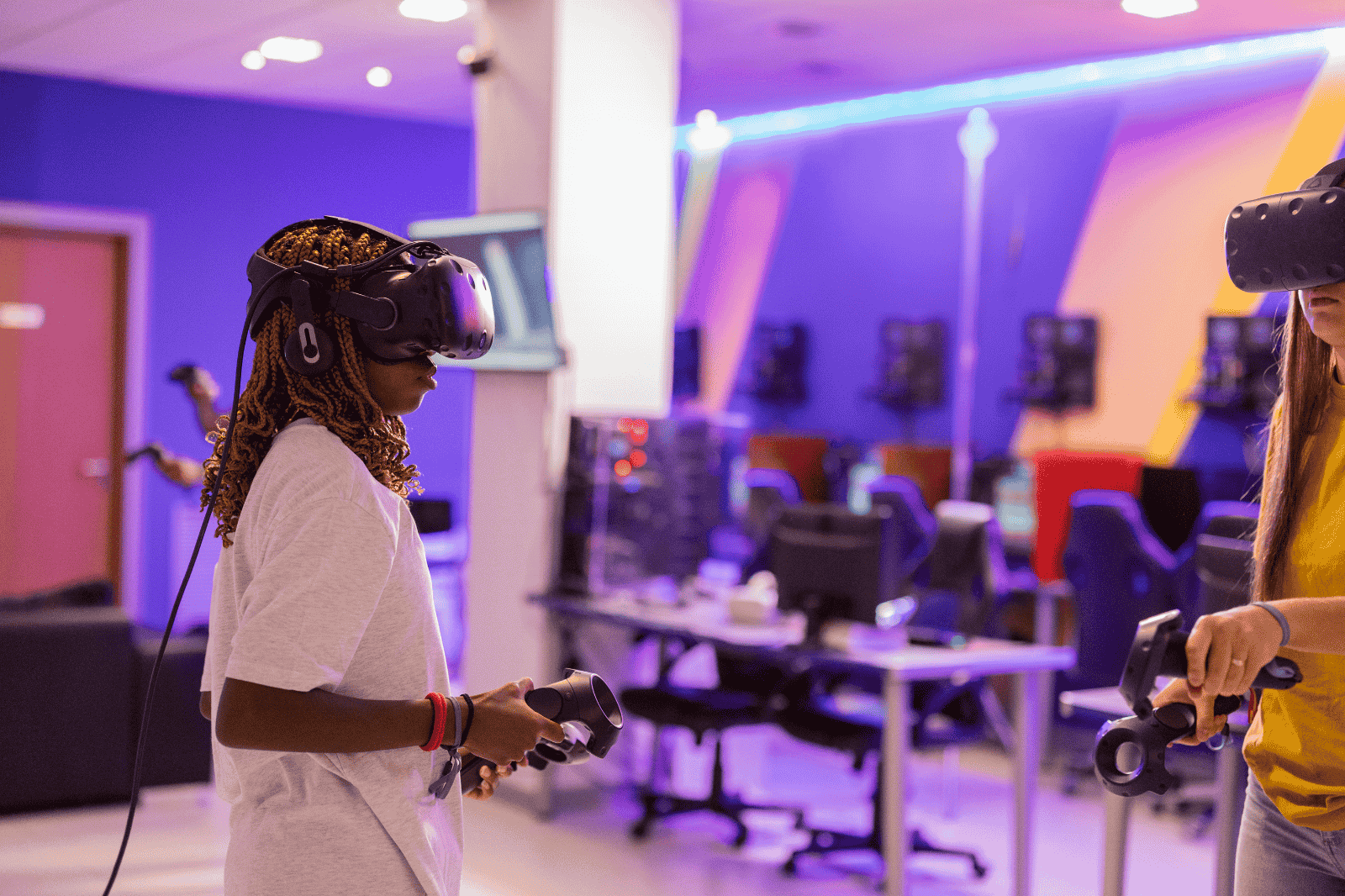
Industrial Safety Training Solutions | Hazard Simulation Tools | Safety Compliance Visualization
Industrial workplaces such as manufacturing plants, construction sites, warehouses, and processing facilities often involve complex operations and high-risk environments. Ensuring employee safety in these settings is not only a legal requirement but also a critical factor in maintaining productivity and operational efficiency. Modern technologies like industrial safety training solutions, hazard simulation tools, and safety compliance visualization are helping organizations create safer work environments while improving training effectiveness.
Traditional safety training methods such as manuals, presentations, or classroom sessions often fail to provide practical understanding of workplace hazards. Today, industries are adopting interactive digital training, 3D visualization, and simulation technologies that allow employees to experience real-life scenarios in a controlled environment. These advanced solutions help workers understand safety protocols more effectively and respond correctly during emergencies.
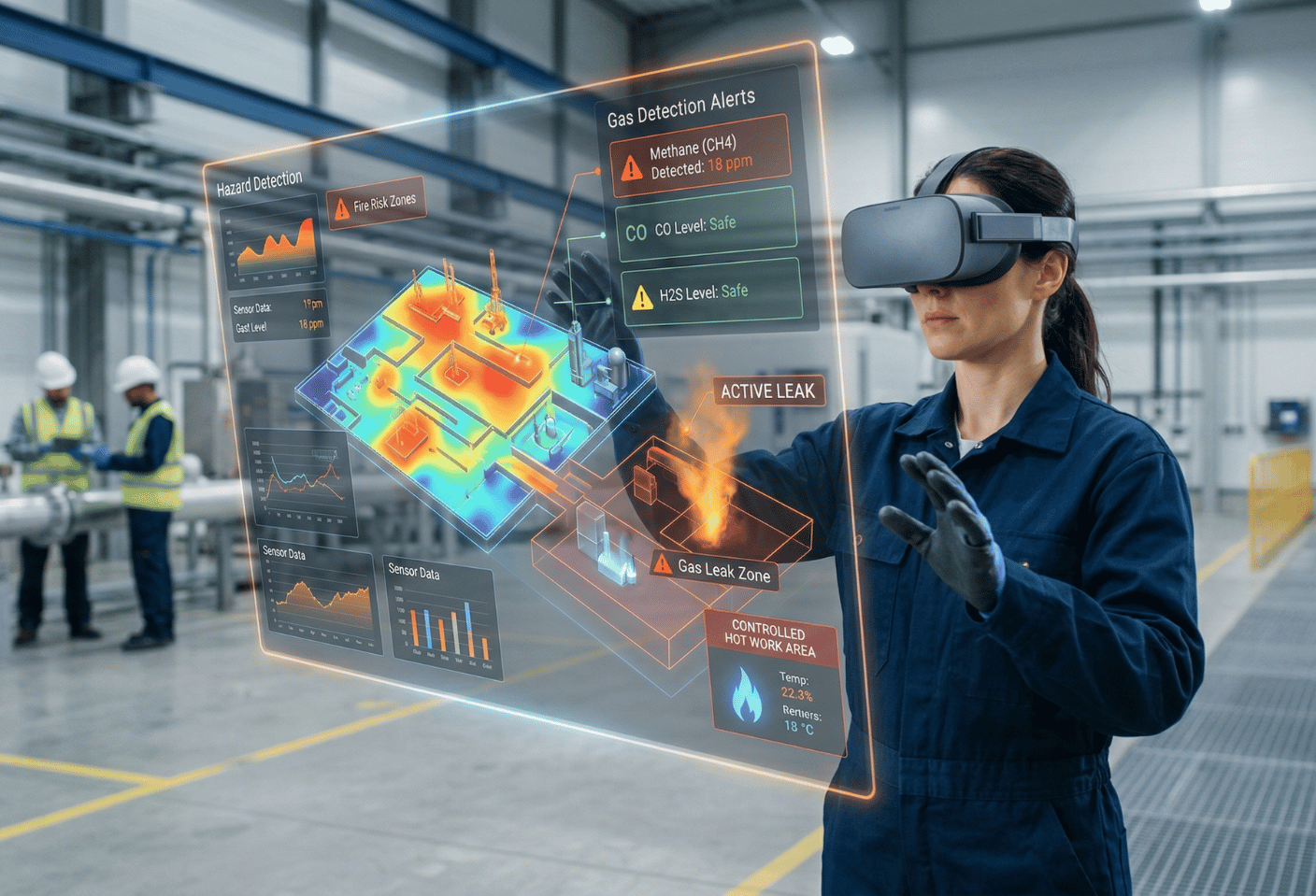
360VRFX Industrial
By implementing advanced safety training systems, companies can significantly reduce workplace accidents, improve employee awareness, and ensure compliance with safety standards.
Industrial Safety Training Solutions
Industrial safety training solutions are structured programs designed to educate workers about workplace hazards, safe operating procedures, and emergency response strategies. These solutions often combine digital learning modules, visual demonstrations, and simulated training environments to create more engaging and practical training experiences.
Key Components of Industrial Safety Training
Industrial safety training programs help organizations create a strong safety culture and ensure employees follow workplace safety protocols consistently.
Hazard Simulation Tools
Hazard simulation tools are advanced technologies that replicate dangerous industrial situations in a virtual or simulated environment. These tools allow employees to experience and practice handling hazardous scenarios without being exposed to real danger.
Using digital simulations, companies can recreate scenarios such as:
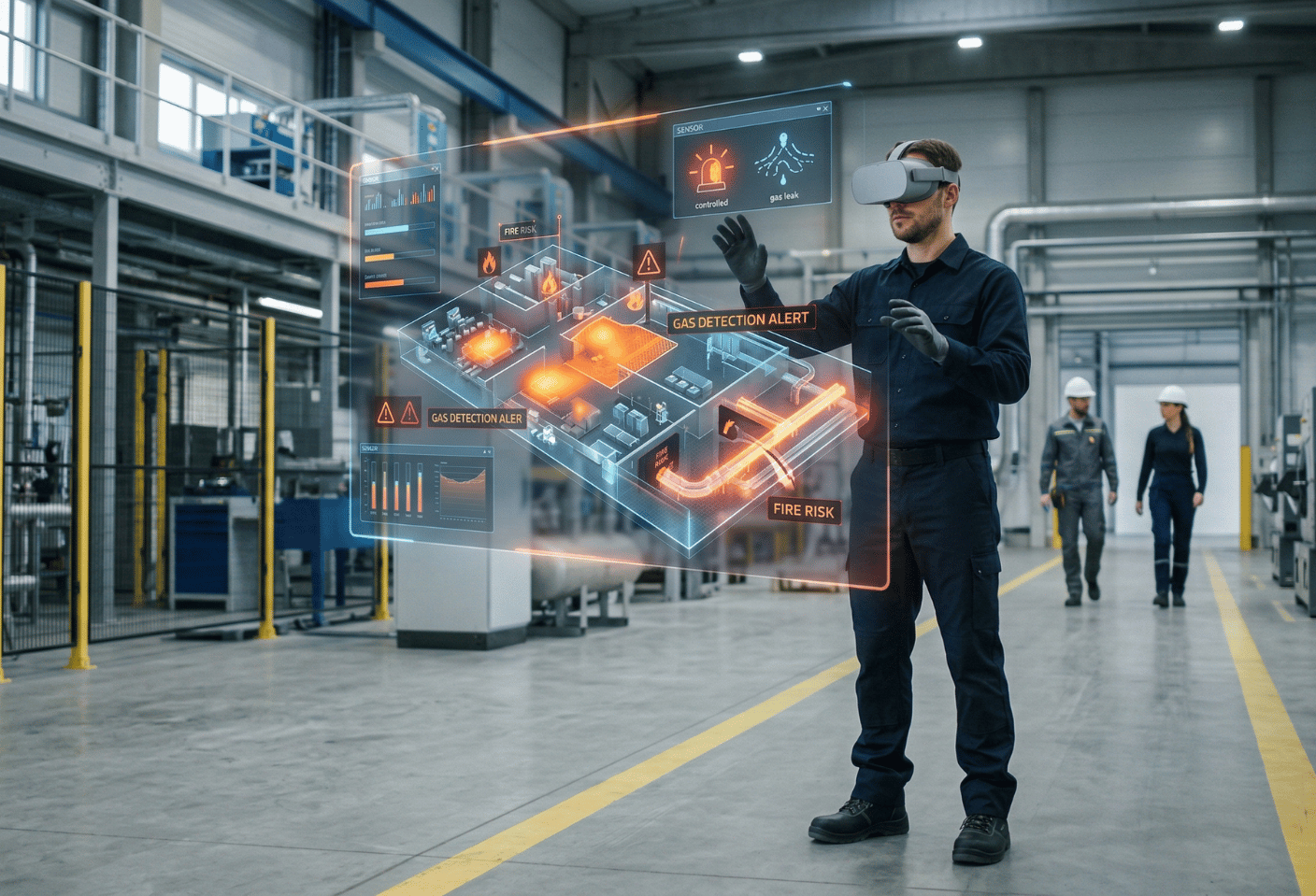
360VRFX Industrial
Benefits of Hazard Simulation Tools
Safety Compliance Visualization
Safety compliance visualization uses digital tools such as 3D models, animations, and visual simulations to demonstrate workplace safety procedures and regulatory guidelines. Instead of relying solely on written instructions, companies can present safety information in a more engaging and understandable format.
Advantages of Safety Compliance Visualization
Why Choose 360 VRFX
For companies looking to enhance safety training and visualization, 360 VRFX offers advanced digital solutions that transform traditional safety programs into immersive learning experiences.
By leveraging 360 VRFX visualization technologies, organizations can significantly improve safety awareness, reduce workplace accidents, and maintain strong compliance with industry regulations.
Future of Industrial Safety Training
With rapid advancements in digital technologies such as virtual reality, augmented reality, and interactive simulations, safety training is becoming more immersive and practical. These tools allow employees to practice responding to hazardous situations in a safe digital environment, improving their preparedness for real-world incidents.
Companies that adopt industrial safety training solutions, hazard simulation tools, and safety compliance visualization technologies will be better equipped to protect their workforce, reduce operational risks, and build a safer industrial environment.
Frequently Asked Questions (FAQs)
What are industrial safety training solutions?
Industrial safety training solutions are programs and technologies used to educate employees about workplace hazards, safety procedures, and emergency response methods.
What are hazard simulation tools?
Hazard simulation tools recreate dangerous industrial scenarios in a digital environment so workers can practice handling emergencies safely.
How does safety compliance visualization work?
Safety compliance visualization uses 3D models, animations, and simulations to explain safety procedures and regulatory requirements visually.
Which industries use hazard simulation training?
Industries such as manufacturing, construction, oil and gas, logistics, and pharmaceuticals widely use hazard simulation training.
How can 360 VRFX help with industrial safety training?
360 VRFX provides 3D visualization, hazard simulations, and immersive training environments that help companies improve workplace safety and employee training.